Mud tubes running up your foundation are subterranean termites building a protected path from the soil to the wood framing — our inspection traces every tube back to its source before we quote a barrier treatment. A colony can feed on structural wood for years before any visible sign appears on the surface, which is why routine inspection matters even without an active swarm.
We check the sill plate, foundation cracks, and crawl space for mud tubes and wood-to-soil contact before recommending treatment.
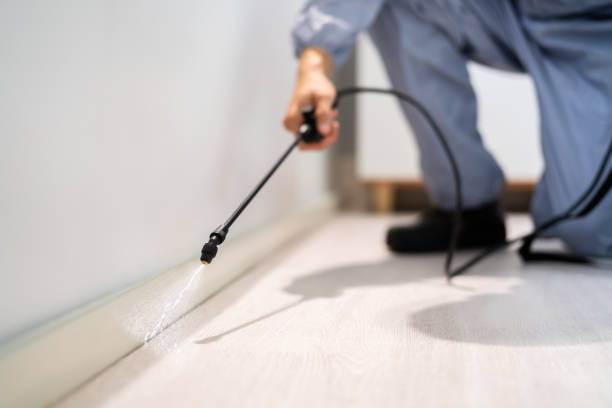
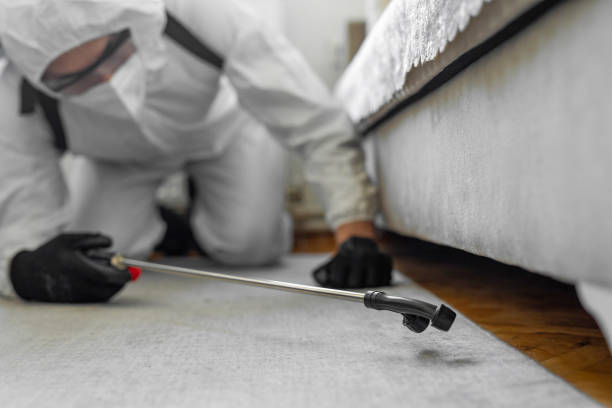
Every technician performing Whippany termite inspections carries state licensing for wood-destroying organism reporting.
Swarm season calls get priority scheduling since active swarmers mean a mature colony needs attention quickly.
Liquid barrier and bait station pricing is quoted after inspection, tied to linear footage and species found.
We use moisture meters, sounding hammers, and sometimes thermal imaging to find damage hidden behind finished walls.
Subterranean colonies travel through soil, so barrier treatment is mapped around the entire structure's perimeter.
Bait stations are placed around the property and checked on a monitoring schedule to catch new activity early.
We identify drywood frass (small pellet droppings) to pinpoint exactly which framing member needs treatment.
We provide a full written wood-destroying organism report accepted by most lenders as part of closing documents.
We document damage severity so you or your contractor know which framing needs structural attention.
We set up recurring inspection schedules for Whippany commercial buildings with reports for property records.

Call +1-866-315-0243 and describe what you've seen — mud tubes, wings, or soft wood — so we can prioritize the inspection.
Our mobile units carry both liquid termiticide and bait station equipment for Whippany termite calls.
We trace mud tubes, check for wood-to-soil contact, and identify subterranean versus drywood species before quoting.
Treatment is applied the same visit when possible, with monitoring visits scheduled to confirm the colony is gone.
Found mud tubes on the foundation during a routine check and Nex Pest Control had an inspector out within two days with a full written report.
Knowing the difference between drywood and subterranean species mattered — our treatment was completely different than what a neighbor got for the same symptom.
As a property manager, having a bonded termite plan on file made our annual insurance review painless.
We were about to list our house when the pre-listing inspection caught early subterranean activity — glad it was found before a buyer's inspector did.

Nex Pest Control dispatches termite-certified technicians throughout Whippany and nearby communities for both inspections and treatment. Real estate transactions, renewals, and new active infestations all fall under the same Whippany service area and response timeline.

Termite swarmers have straight antennae and a thick waist, unlike the bent antennae and pinched waist of flying ants.
Subterranean termites need soil contact and build mud tubes, while drywood termites live entirely inside dry wood without soil access.
Most lenders require a wood-destroying organism report as part of closing, and we provide one with full documentation.
Barrier treatments typically hold for several years, with monitoring visits confirming the barrier is still effective.
Exterior barrier treatment usually doesn't require leaving the home, but we'll tell you specifically if your treatment plan does.
If monitoring shows continued activity, we return and address it at no additional charge under your plan.
Call +1-866-315-0243 for a free inspection and written treatment quote.
Call +1-866-315-0243